
Comment Letters
Environmental Impact Statement
Lynne Barre, Retired NOAA Fisheries Recovery Coordinator for Southern Resident killer whales and Protected Resources Branch Chief
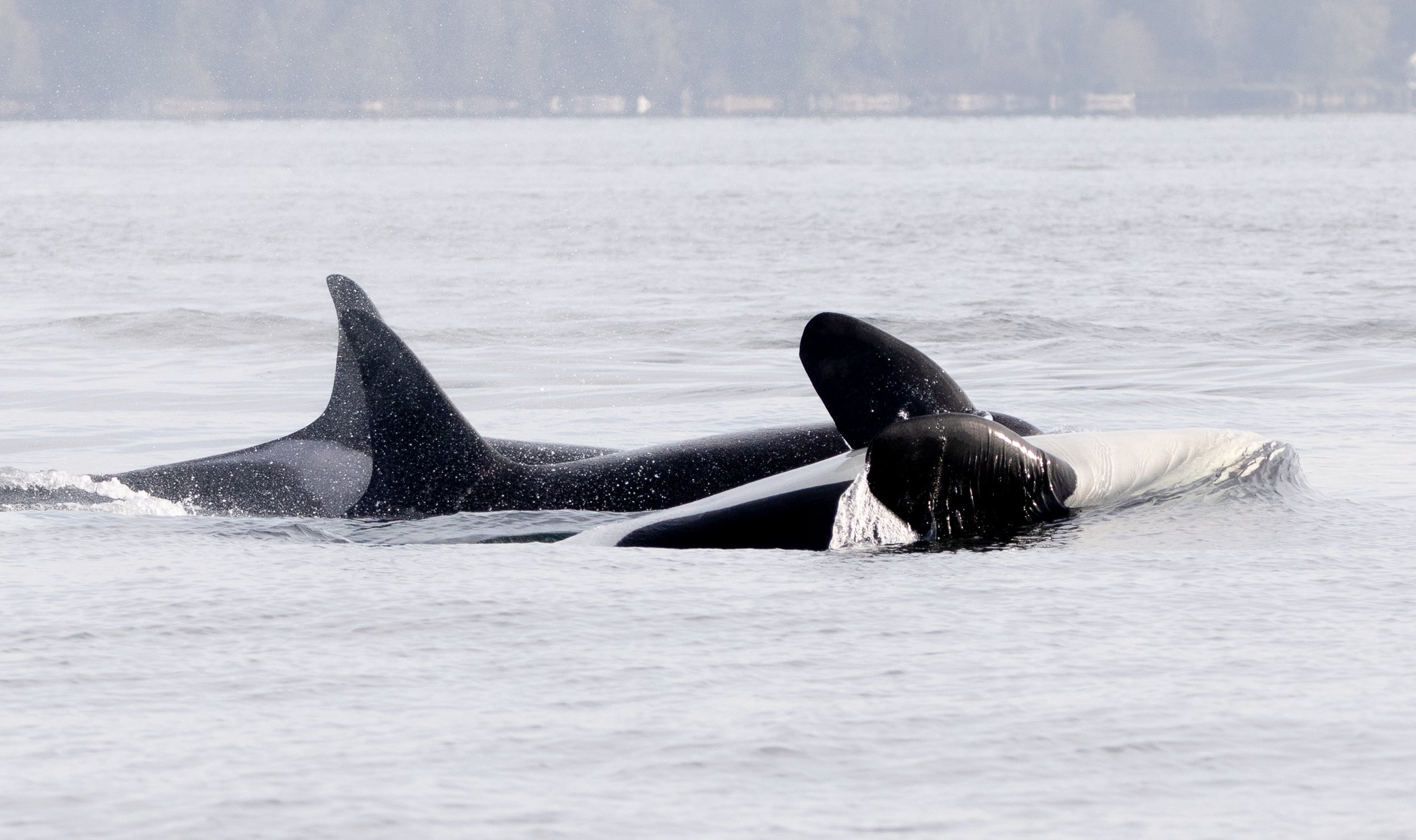
“I served as the NOAA Recovery Coordinator for Southern Resident killer whales from their listing as a distinct population segment under the Endangered Species Act in 2005 (70 FR 69903; November 18, 2005) until earlier this year when I retired from NOAA. I live in Seattle and am concerned about the environmental review under SEPA for the City of Seattle’s One Comprehensive Plan. I am very concerned that the City’s EIS does not adequately consider the potential impacts of loss of tree canopy cover, increased impervious surfaces, and associated stormwater runoff carrying contaminants, which are harmful for local salmon, the critical prey for endangered Southern Resident killer whales. My concerns have been significantly heightened by the increased density included in the One Seattle Plan by both the Mayor’s Office and you (the City Council) since the publication of the Draft Environmental Impact Statement in January 2024 without further impact analysis or review.
The 2008 Southern Resident Killer Whale Recovery Plan includes actions to rebuild depleted populations of salmon and other prey to ensure an adequate food base for recovery of the Southern Residents. The Recovery Plan identifies specific actions related to habitat management, such as:
“necessary components of habitat improvement programs include expansion of local land-use planning and control (such as shoreline management plans and critical areas ordinances), including management of future growth and development to protect watershed processes; better management of streamflow through water allocation processes; water quality enhancement through prevention of chemical contamination, stormwater management, and other actions; and adequate regulatory mechanisms.””